


Discover the Standout Sedan
When it comes to Nissan Sentra vs. Toyota Corolla reliability, these two compact sedans are frequently compared by drivers seeking a dependable, efficient, and well-equipped vehicle. Both models are known for their strong track records and everyday practicality, making them leading options in their class. The right choice depends on what you value most—comfort, performance, technology, or long-term peace of mind. In this detailed comparison, we’ll break down how the Nissan Sentra vs. Toyota Corolla compare in design, driving experience, interior space, tech features, and safety to help you confidently decide which sedan suits your needs. Visit Preston Nissan today to explore the Nissan Sentra up close and take it for a test drive.

Exterior and Interior Design: Modern Features and Premium Appeal
Nissan Sentra: Sleek, Sporty, and Stylish
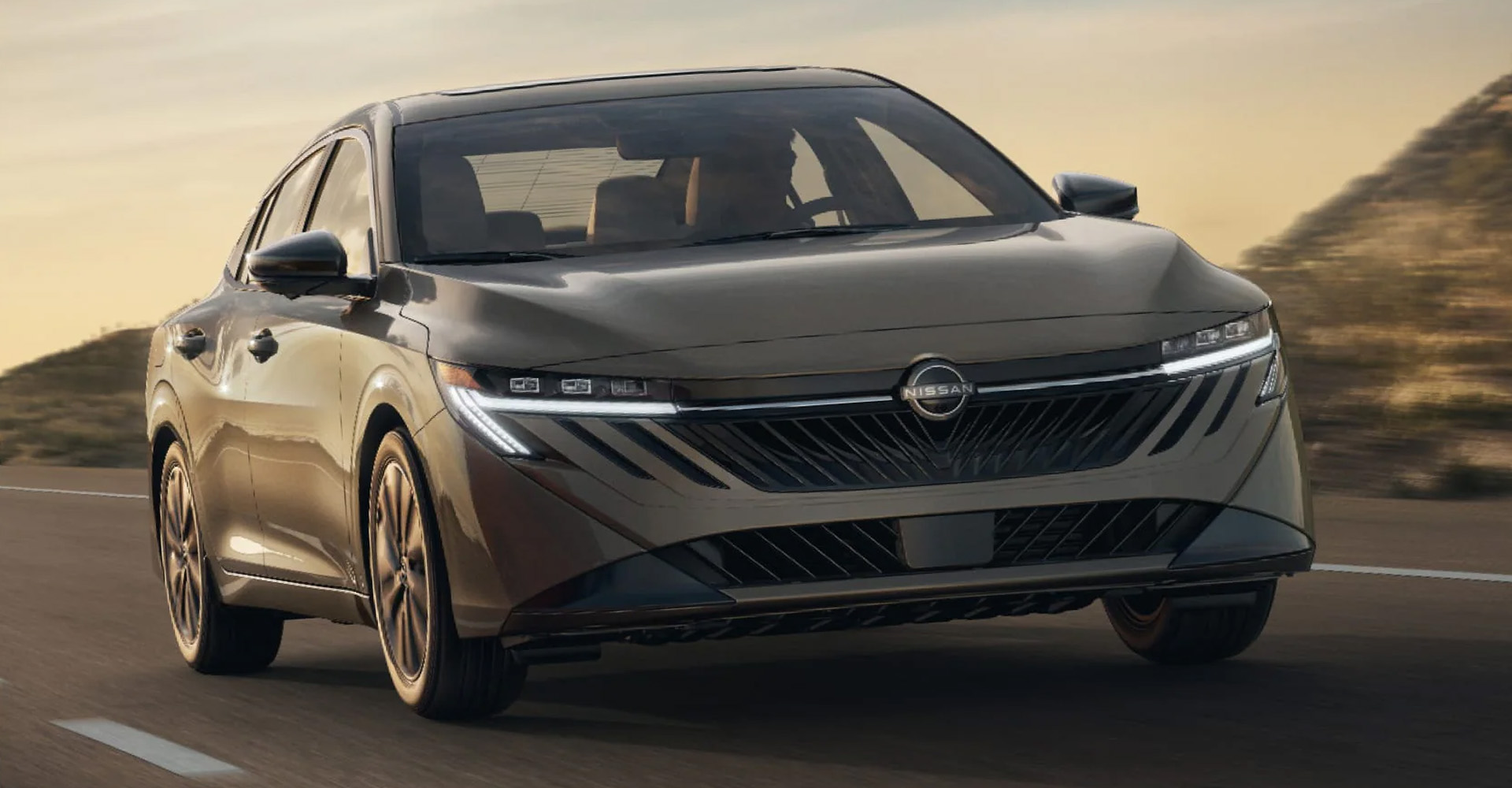
The Nissan Sentra continues to impress with its bold and modern design. A prominent front grille with sharp accents and sleek lines gives the Nissan Sentra a sporty and aggressive look, helping it stand out in the world of compact cars. Higher trims, such as the Nissan Sentra SR, amplify the visual appeal with exclusive styling details like a rear spoiler and chrome exhaust tips, making it a favorite for drivers who appreciate dynamic aesthetics.
The exterior is further enhanced by available 18-inch alloy wheels, adding an extra touch of sophistication. LED headlights and daytime running lights not only improve visibility but also elevate the Nissan Sentra’s overall design. The optional two-tone leather-appointed upholstery inside the cabin creates a luxurious and stylish vibe, while the Zero Gravity front seats ensure superior comfort even during long drives. With Nissan’s focus on providing a premium feel at an affordable starting price, the Nissan Sentra is a compelling option for those seeking both style and substance.
Toyota Corolla: Reliable but Conservative
The Toyota Corolla has long been a reliable car known for its simplicity and timeless design. Available in various models, including sedan, hatchback, and hybrid variants, the Toyota Corolla offers flexibility for buyers who value versatility. However, its design leans more toward a conservative and practical approach compared to the sporty and stylish Nissan Sentra.
The Toyota Corolla embraces clean lines and a straightforward design language, appealing to those who prefer a minimalist aesthetic. While the Toyota Corolla lacks the sportier elements found in the Nissan Sentra, it compensates with its reputation for reliability and low ownership costs. Interior features are functional but understated, making the Toyota Corolla a practical choice for daily commutes rather than a vehicle that turns heads on the road.
Nissan Versa vs. Toyota Corolla Gas Mileage: Performance and Fuel Economy
Nissan Sentra: Smooth and Engaging Ride
Under the hood, the Nissan Sentra is equipped with a 2.0L 4-cylinder engine that produces 149 horsepower, providing a smooth and responsive driving experience. Paired with the Xtronic CVT® transmission, the Nissan Sentra offers seamless gear transitions and efficient performance. The independent rear multi-link suspension system contributes to agile handling, making it a pleasure to drive through tight city streets or winding back roads. For those who enjoy a more spirited driving experience, the Sport Mode enhances throttle response, making highway driving more engaging. While the Nissan Sentra may not match the raw horsepower of some competitors, such as the Honda Civic or Mazda3, it strikes an excellent balance between performance and comfort. Its fuel efficiency, combined with its refined ride quality, makes it a strong contender for anyone in the market for a commuter car or a reliable vehicle for road trips.
Based on EPA estimates, the 2025 Nissan Versa delivers highly competitive gas mileage versus the 2026 Toyota Corolla, offering 27 City / 35 Highway / 30 Combined MPG with a manual transmission and 32 city / 40 Highway / 35 Combined MPG with its Xtronic CVT®, which matches the 35 combined MPG of the 2026 Toyota Corolla LE and closely aligns with other gas Toyota Corolla trims at an EPA estimated 34–35 combined MPG.* While Toyota Corolla Hybrid models achieve higher ratings, they belong to a different powertrain category. Among gasoline-only options, the Nissan Versa stands out for delivering similar efficiency with typically lower purchase and ownership costs, making it a smart, budget-friendly choice for everyday driving.
Toyota Corolla: Efficiency Over Excitement
The Toyota Corolla also comes equipped with a 2.0L 4-cylinder engine, but with a slightly higher output of 169 horsepower. Despite its higher power rating, the Toyota Corolla prioritizes fuel economy over outright performance, making it a better choice for drivers focused on saving at the pump. While the Toyota Corolla’s engine configuration supports reliable performance, its driving dynamics lack excitement compared to the Nissan Sentra. The emphasis on practicality rather than thrill means that drivers seeking a more engaging ride might lean toward other compact sedans, such as the Nissan Sentra or even the Hyundai Elantra. However, for those who prioritize a steady and efficient ride, the Toyota Corolla remains a dependable option that delivers on its promise of reliability and low maintenance costs.
Interior Space & Passenger Comfort
Nissan Versa vs. Toyota Corolla size
For drivers who prioritize space and comfort, the Nissan Sentra stands out as the stronger option. With 96.1 cu.ft. of passenger volume compared to the Toyota Corolla’s 88.6 cu.ft., the Nissan Sentra delivers a noticeably roomier cabin, giving both front and rear passengers more freedom to stretch out. Extra legroom and rear shoulder space contribute to a more comfortable ride, especially on longer drives.
Nissan’s signature Zero Gravity Seats further elevate the experience by helping reduce pressure points and driver fatigue—an advantage you’ll appreciate during daily commutes or extended road trips. Rear-seat passengers benefit as well, with more legroom than the Toyota Corolla offers, making the Nissan Sentra a smart choice for families or anyone who regularly travels with others. Cargo versatility is another area where the Nissan Sentra pulls ahead. Its larger trunk provides more usable storage for everything from groceries to luggage, and the standard 60/40-split rear seats add flexibility when hauling longer or bulkier items.
While the Toyota Corolla offers a well-designed and functional interior, its more compact footprint limits overall space. For shoppers focused on maximizing passenger comfort and cargo practicality, the Nissan Sentra delivers a clear and compelling advantage.
Technology: Advanced Infotainment and Connectivity
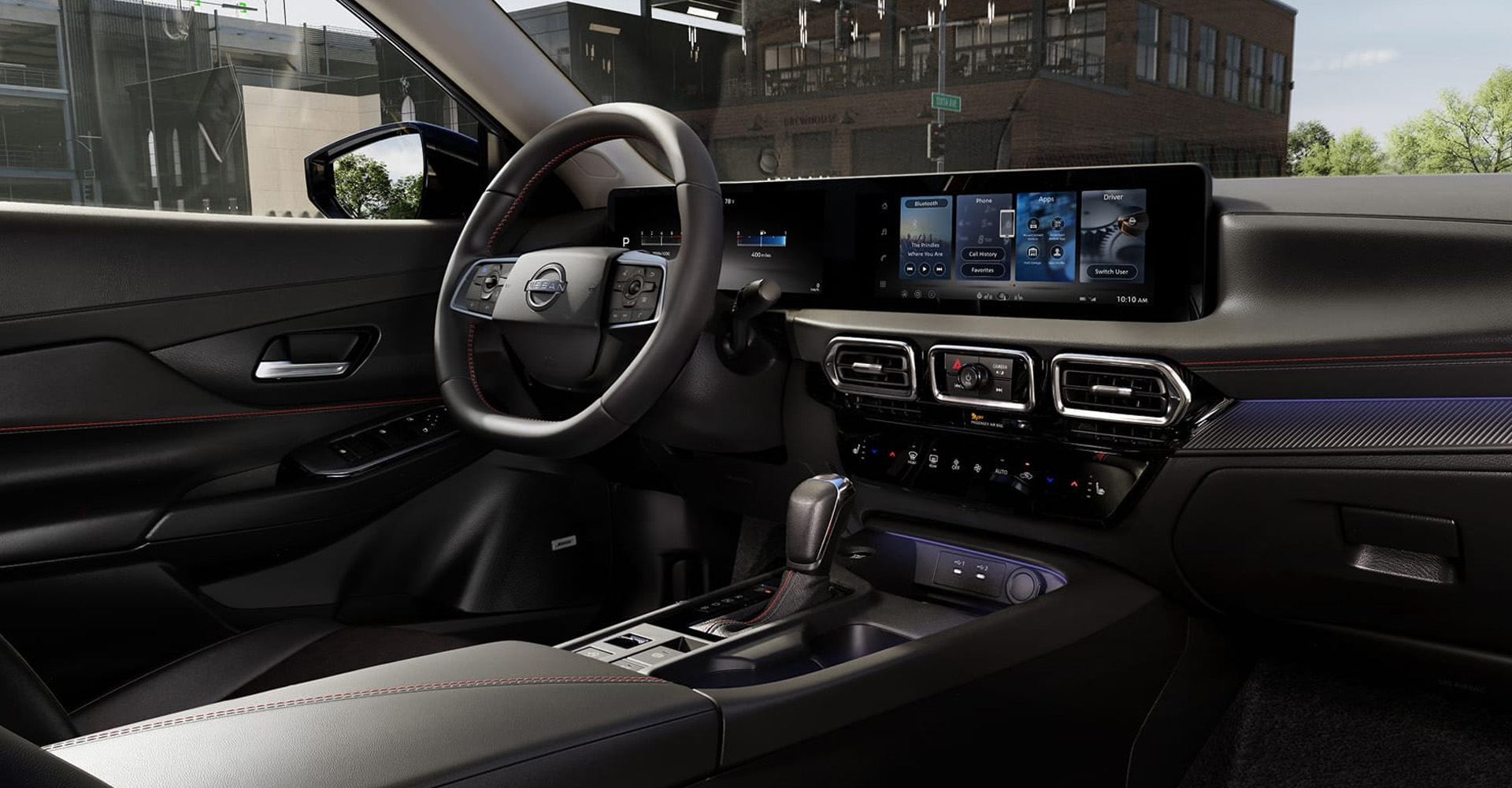
The Nissan Sentra leads the way in terms of advanced technology and infotainment features. At the heart of its tech suite is an 8-inch touchscreen display, serving as the central hub for controlling various functions. It also has both Apple CarPlay® and Android Auto™ allowing drivers to seamlessly integrate their smartphones.
In addition to its infotainment system, the Nissan Sentra comes equipped with NissanConnect®, which includes an in-vehicle Wi-Fi Hotspot. A 7-inch Advanced Drive-Assist® display provides key driving information at a glance. These features enhance both convenience and safety.
The Toyota Corolla SE also includes modern technology, but it doesn’t offer as many standard features as the Nissan Sentra. Certain connectivity and driver-assistance technologies are often reserved for higher trims, making the Nissan Sentra a more attractive option for tech-savvy drivers.
Voice command functionality is another standout feature in the Nissan Sentra, allowing hands-free control of various vehicle functions. While the Toyota Corolla favors simplicity, the Nissan Sentra offers a more tech-forward overall experience.
Safety Features: Driver-Assistance You Can Count On
Nissan Sentra: Safety Shield® 360 Standard
The Nissan Sentra takes safety seriously, offering Safety Shield® 360 as standard across all trim levels. This includes Automatic Emergency Braking with Pedestrian Detection, Blind Spot Warning, Rear Cross Traffic Alert,Lane Departure Warning, Rear Automatic Braking, High Beam Assist. Higher trims of the Nissan Sentra also offer a 360° surround-view camera, making parking and maneuvering easier. Intelligent Cruise Control further enhances highway driving comfort by maintaining a safe following distance. By including these features as standard, the Nissan Sentra delivers exceptional value and peace of mind for drivers and passengers alike.
Toyota Corolla: Toyota Safety Sense
The Toyota Corolla features Toyota Safety Sense, which includes Blind Spot Monitor (BSM) with Rear Cross-Traffic Alert (RCTA). However, many advanced safety features are limited to higher trims, increasing overall cost. While the Toyota Corolla maintains strong safety ratings, it doesn’t match the Nissan Sentra’s comprehensive standard safety offerings. For drivers seeking advanced safety without upgrading to a higher trim, the Nissan Sentra has the edge.
Choosing the Right Compact Sedan for Your Needs
The Nissan Sentra delivers an excellent blend of sleek design, advanced technology, and superior comfort, making it a standout sedan amongst the competition. With its increased passenger volume, ample trunk space, and standard safety features, the Nissan Sentra is designed for both practicality and peace of mind. Sporty performance and premium interior elements, such as Zero Gravity seats, further elevate its appeal.
The Toyota Corolla remains a dependable and efficient choice, with a focus on simplicity and long-term reliability. While both vehicles are solid options, the Nissan Sentra offers a more well-rounded package.
Test Drive a Nissan Sentra Today
You’ve seen the specs and details. Now, you can put it to the test. Visit Preston Nissan to view our inventory of Nissan Sentra models and take a test drive.
SHOP NOW*2025 EPA Fuel Economy Estimates. 27 City MPG / 35 Highway MPG / 30 Combined MPG for Versa® with Manual Transmission. 32 City MPG / 40 Highway MPG / 35 Combined MPG for Versa with Xtronic CVT®. Actual mileage may vary with driving conditions. Use for comparison only.
Connect with us


Recent Blog Entries
- Nissan Frontier vs. Honda Ridgeline: Which Midsize Truck Fits Your Lifestyle?
- Nissan Sentra vs. Honda Civic: Side-by-Side Comparison
- Nissan Altima vs. Honda Accord: Which Sedan Should You Buy in 2026?
- Nissan Pathfinder vs. Honda Pilot: Specs, Size & Reliability Compared
- Nissan Rogue vs. Honda CR-V: Which Compact SUV Wins in Real-World Use?