

Nissan Versa vs. Honda Civic: A Complete Buyer’s Guide for 2026
When comparing the Nissan Versa vs. Honda Civic, it’s essential to weigh their strengths in key areas like fuel economy, safety features, and overall value. Both vehicles are among the most popular choices in their respective segments, appealing to drivers seeking reliability, affordability, and modern features. Whether you’re considering a new car or a used car, these two models consistently stand out in the competitive automotive market. While the Nissan Versa excels in affordability and fuel efficiency, the Honda Civic offers a more diverse range of body styles and trim levels. This guide will help you explore their differences and similarities, enabling you to make the most informed decision for your next vehicle purchase at Preston Nissan.
Key Features of the Nissan Versa and Honda Civic
Body Styles and Trim Levels
The Nissan Versa and Honda Civic both offer a variety of body styles and trim levels, allowing buyers to select a model that suits their preferences and needs. The Nissan Versa is available in trims like the Nissan Versa SV and the sportier Nissan Versa SR, both of which include modern conveniences and practical features. These trims are designed to cater to drivers seeking an affordable subcompact car with essential amenities and a touch of style.
On the other hand, the Honda Civic provides an impressive array of trim options, including the Honda Civic LX, Honda Civic EX, Honda Civic Sport, and the performance-focused Honda Civic Si, which stands out for its sporty design and performance-oriented tuning, catering to enthusiasts.
Reliability and Resale Value
Reliability is a critical factor when choosing a car, and both the Nissan Versa and Honda Civic rank highly in this area. The Nissan Versa is well-regarded for its dependability, especially among subcompact cars. Its straightforward design and efficient engineering contribute to lower maintenance costs and fewer issues over time, making it an excellent choice for budget-conscious drivers. Routine maintenance, such as oil changes and tire replacements, is simple and affordable, adding to its overall appeal.
The Honda Civic, renowned for its long-standing reputation, also boasts strong reliability. However, it typically comes with a higher initial cost compared to the Nissan Versa. For many buyers, this higher upfront investment is justified by the Honda Civic’s robust engineering and slightly more advanced standard features. The Honda Civic’s reputation for longevity makes it a popular choice for those planning to keep their vehicle for several years or even as a used car option.
The Honda Civic, due to its widespread popularity and strong brand reputation, tends to hold its value slightly better over time. That said, the Nissan Versa’s affordability and reliability ensure it remains a solid option for buyers who want a good return on investment. Whether you’re planning to sell your car after a few years or keep it long-term, both models offer peace of mind when it comes to resale value.
Performance and Fuel Efficiency
Engine Options and Driving Experience
The Nissan Versa and Honda Civic both deliver solid performance for their respective segments, though they cater to slightly different priorities. The Nissan Versa is equipped with a fuel-efficient base engine, making it an excellent choice for drivers prioritizing gas mileage. Its lightweight curb weight contributes to its impressive fuel economy, allowing drivers to save money on fuel without sacrificing daily usability. The Nissan Versa’s engine may not deliver thrilling acceleration, but its smooth and predictable driving experience is well-suited for city commutes and long highway trips.
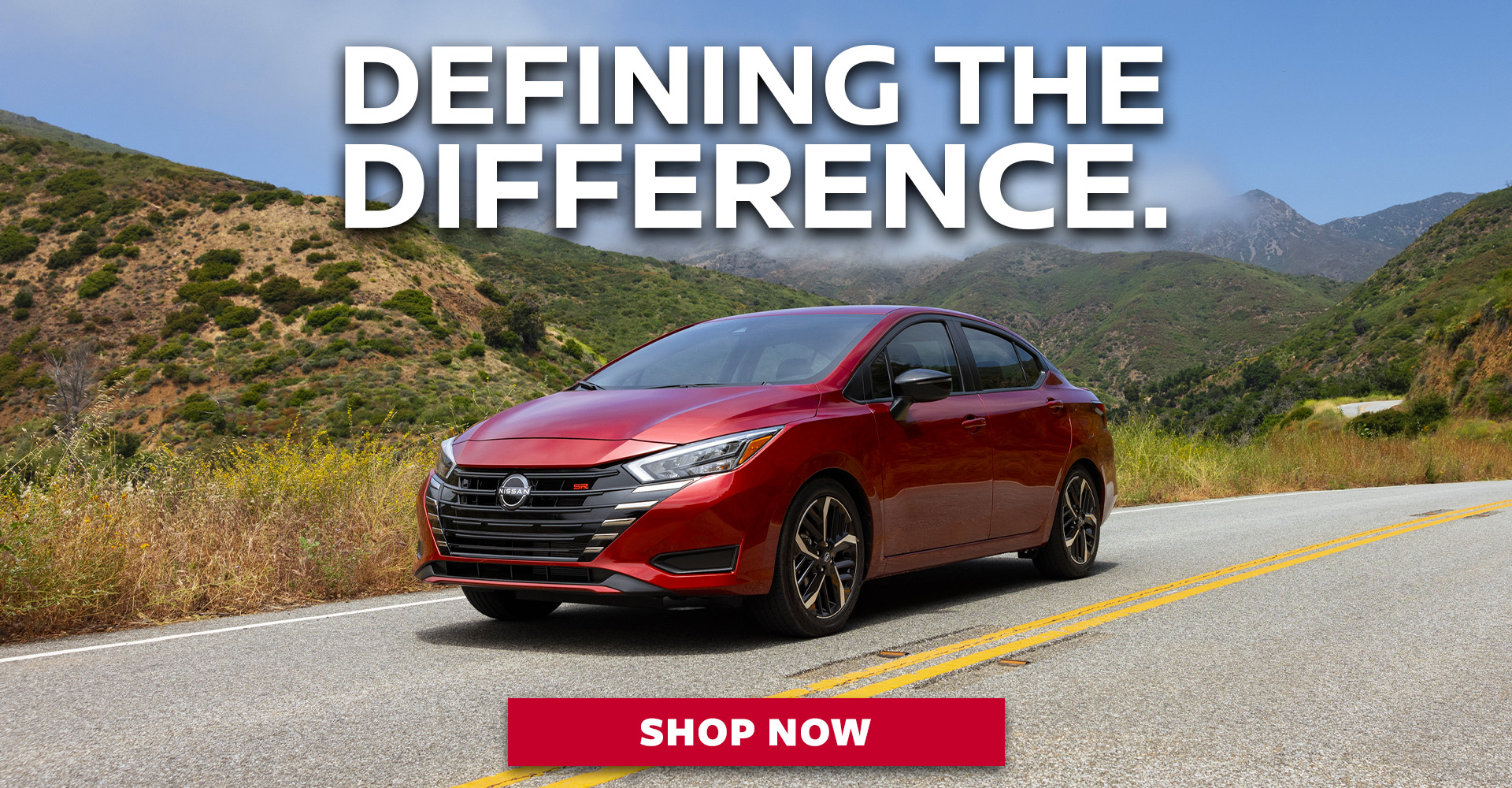
The Nissan Versa and Honda Civic take different approaches under the hood, but the Versa ultimately delivers a smarter, more value-focused package for everyday driving. The Nissan Versa’s 1.6-liter 4-cylinder engine produces 122 horsepower and 114 lb.-ft. of torque, offering smooth, reliable performance while achieving an impressive EPA-estimated 35 MPG combined—an efficiency advantage that immediately pays off at the pump.* Its available manual transmission on the Nissan Versa S also gives drivers more control and driving flexibility, something the Honda Civic no longer offers in most trims. The Honda Civic’s 2.0L engine makes 150 horsepower and pairs with a CVT and idle-stop technology, but its added power comes with higher fuel consumption and a higher entry price point. For many drivers, the Nissan Versa’s balance of capability and exceptional efficiency creates a more practical ownership experience. It delivers confident acceleration for daily commutes, weekend errands, and longer drives without inflating operating costs. While the Honda Civic leans toward sporty suspension tuning and a more aggressive visual design, the Nissan Versa’s razor-sharp styling, redesigned front fascia, and available 17-in. machine-finished alloy wheels give it a clean, modern look at a more accessible price. Overall, the Nissan Versa stands out as the option that maximizes value and fuel economy while still offering the comfort, style, and performance most drivers truly need.
Transmission Choices
Transmission options play a significant role in the driving experience, and both the Nissan Versa and Honda Civic offer choices to meet various preferences. The Nissan Versa comes with either a manual transmission or an efficient continuously variable transmission (CVT). The manual transmission is ideal for enthusiasts who enjoy a more engaged driving experience, while the CVT enhances fuel efficiency and provides smooth acceleration, making it perfect for daily commuters.
The Honda Civic also offers both manual and automatic transmission options. The manual transmission is available on sportier trims like the Honda Civic Si, appealing to drivers who prioritize performance and control. Meanwhile, the automatic transmissions in other trims deliver a refined and comfortable ride, catering to a broader audience. Regardless of the transmission type, both vehicles provide smooth and reliable performance, making them suitable for city driving and long-distance travel alike.
In terms of fuel efficiency, the Nissan Versa’s CVT plays a crucial role in achieving its excellent MPG city and highway ratings. While the Honda Civic’s turbocharged engines deliver more power, their fuel economy may be slightly lower than the Nissan Versa’s, particularly in city driving conditions. For buyers who prioritize cost-effective transportation, the Nissan Versa’s transmission options and overall efficiency make it a standout choice.
Interior Comfort and Cargo Space
Passenger Space and Dimensions
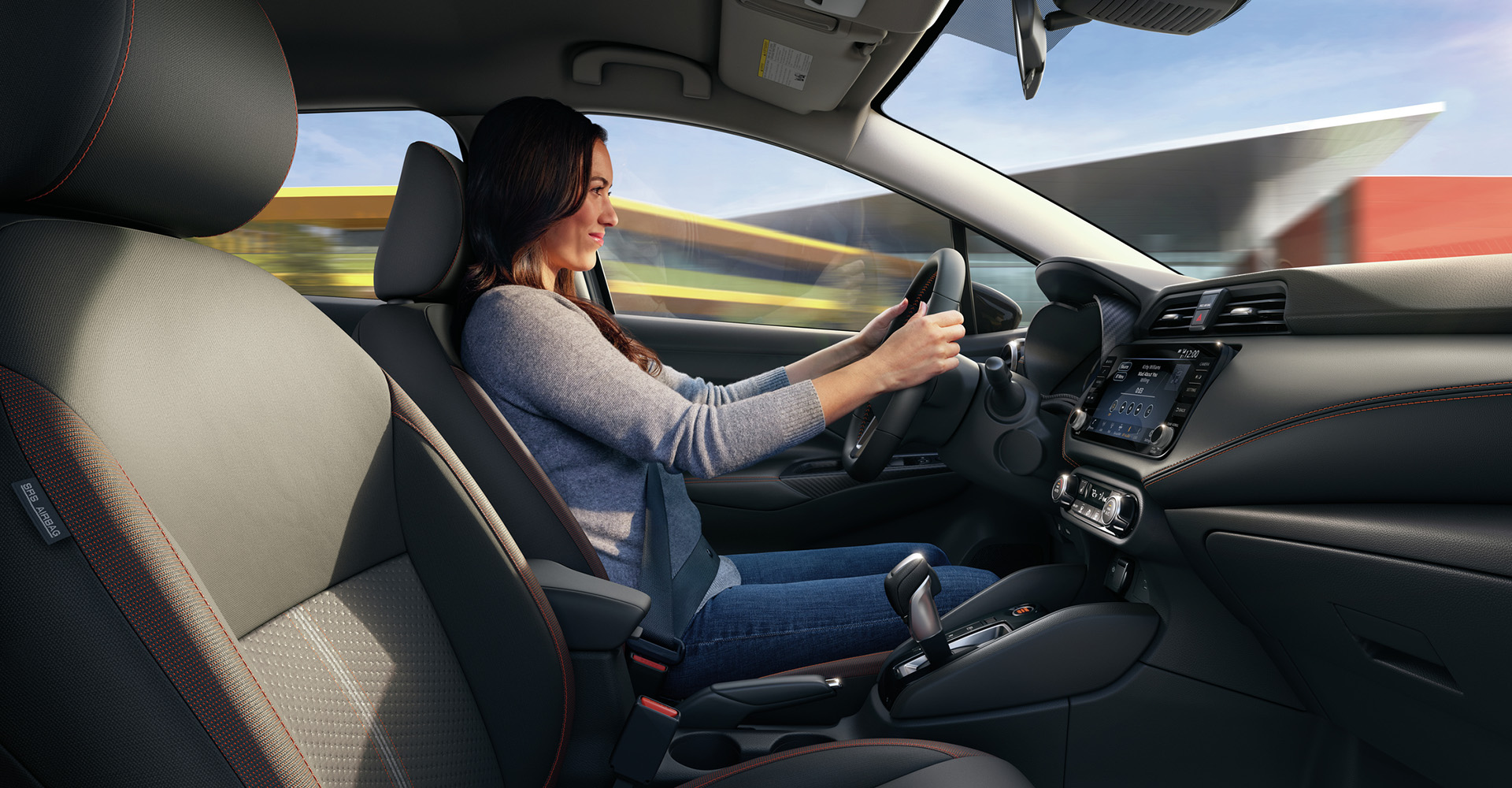
When it comes to interior comfort, both the Nissan Versa and Honda Civic offer well-designed cabins, though they cater to slightly different needs. The Nissan Versa provides ample front leg room, front head room, and front shoulder room, ensuring that drivers and passengers alike can travel comfortably. Its compact size does not compromise on seating capacity, making it a practical option for commuters and small families. The Nissan Versa’s interior dimensions are thoughtfully laid out, providing a cozy yet functional space for daily use.
The Honda Civic, being a larger vehicle, offers slightly more passenger space compared to the Nissan Versa. Its interior dimensions are more generous, especially in terms of rear leg room and overall passenger space. This makes the Honda Civic an excellent choice for those who frequently carry multiple passengers or need extra comfort on longer journeys. However, it’s worth noting that the Honda Civic’s larger size comes with a higher price tag, which may not appeal to budget-conscious buyers.
Both vehicles prioritize driver and passenger comfort with features like adjustable driver seats and high-quality materials in higher trim levels. While the Honda Civic may edge out the Nissan Versa in terms of overall interior dimensions, the Nissan Versa holds its own by offering a spacious and functional cabin at a more affordable price point. For buyers looking for good cars with a focus on practicality and comfort, either option would be a solid choice.
Cargo Capacity and Features
In terms of cargo capacity, both the Nissan Versa and Honda Civic offer practical storage solutions, though the Honda Civic has a slight edge in overall space. The Nissan Versa offers impressive trunk space for a subcompact car, making it perfect for grocery runs, weekend trips, and everyday errands. Inside the cabin, storage compartments are thoughtfully positioned to keep essentials like phones, wallets, and water bottles within easy reach. Select Nissan Versa models provide up to 15 cu.ft. of cargo room in the trunk space, and the available 60/40-split fold-down rear seats let you expand that space even further when you need the extra flexibility.
The Honda Civic sedan falls short with 14.8 cu.ft. of trunk space, while the Honda Civic, particularly in its hatchback configuration, provides even more cargo space than the Nissan Versa. This added room is especially useful for buyers who frequently transport larger items or require additional flexibility for their lifestyle needs. However, the Honda Civic’s extra space comes at a higher cost, which may not align with every buyer’s budget. For those who prioritize value, the Nissan Versa’s balance of trunk volume and affordability makes it a strong contender in the subcompact cars segment.
Both vehicles come equipped with convenient features, such as keyless entry and power windows, which enhance the overall user experience. These standard features are complemented by optional upgrades in higher trims, such as heated steering wheels and touchscreen infotainment systems. Whether you prioritize cargo space or interior features, both the Nissan Versa and Honda Civic deliver practical solutions tailored to the needs of modern drivers.
Safety and Driver Assistance Features
Safety is a top priority for most car buyers, and both the Nissan Versa and Honda Civic deliver impressive safety ratings and advanced driver assistance technologies. These vehicles are designed to provide peace of mind on the road, whether you’re navigating busy city streets or cruising on the highway.
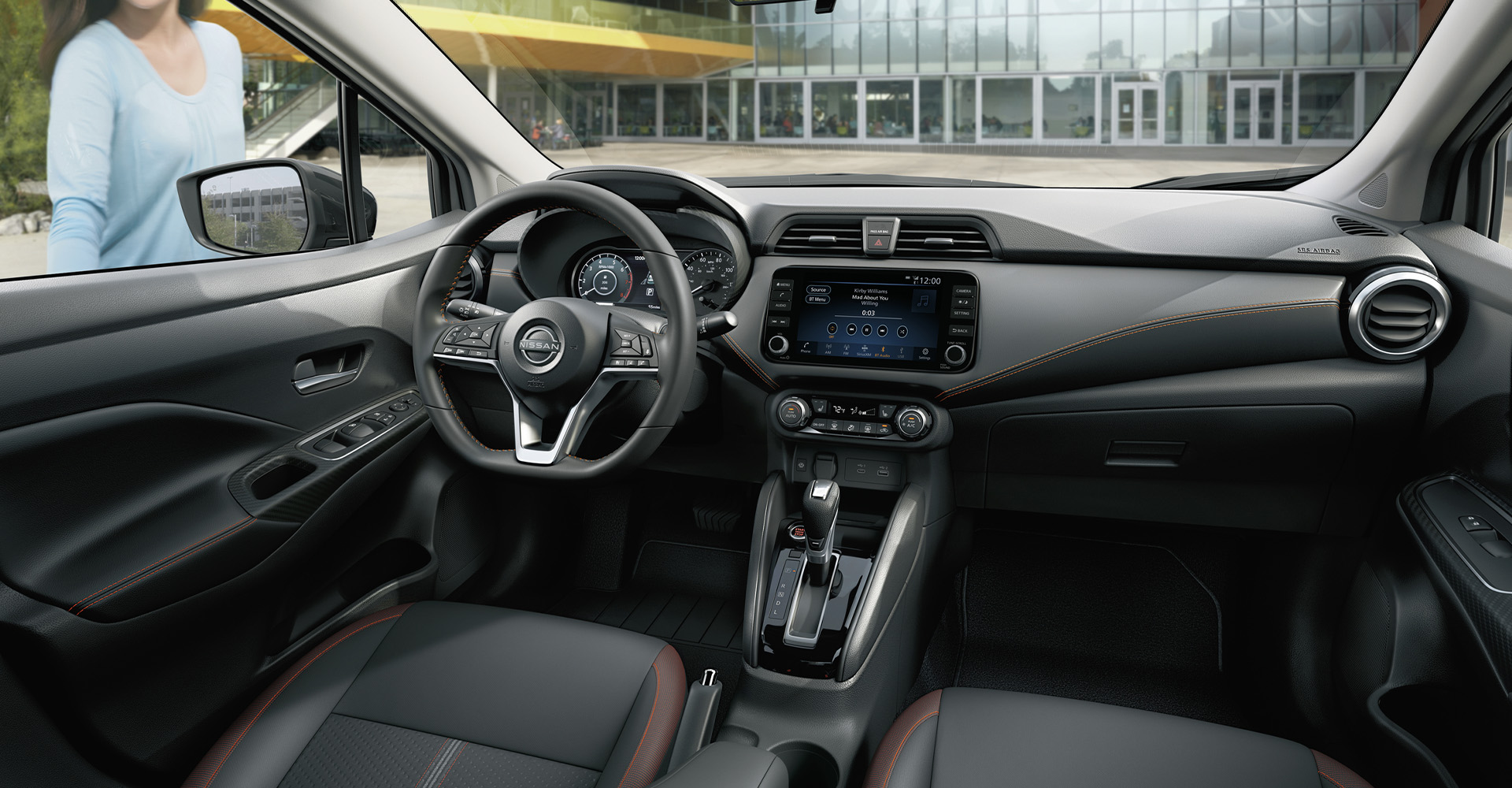
The Nissan Versa packs an impressive array of standard safety and tech features. Customize your drive with available Apple CarPlay®, Android Auto™, and NissanConnect® Services, all accessible through an intuitive 8-in. touchscreen. You can also opt for the 7-in. Advanced Drive-Assist® Display, which keeps key vehicle and driving information right in your line of sight. Safety comes built in, thanks to Nissan Safety Shield® 360. Automatic Emergency Braking with Pedestrian Detection, Lane Departure Warning, a RearView Monitor, and other confidence-boosting features are all included from the start. Want to explore everything the Nissan Versa has to offer? Our knowledgeable team is ready to walk you through the rest of its standout technology.
The Honda Civic is recognized for its cutting-edge safety technology, thanks to the Honda Sensing® suite. This collection includes the Collision Mitigation Braking System™, Road Departure Mitigation System, Adaptive Cruise Control with Low-Speed Follow, Lane Keeping Assist with Traffic Jam Assist, and Traffic Sign Recognition—all designed to heighten awareness and help prevent potential collisions. For buyers seeking vehicles with advanced driver assistance and robust safety features, the Nissan Versa and Honda Civic are excellent choices. While the Honda Civic may offer slightly more advanced options in its higher trims, the Nissan Versa stands out for providing a solid array of standard safety features at a more affordable price point. This makes the Nissan Versa particularly appealing for budget-conscious buyers who don’t want to compromise on safety.
In summary, the Nissan Versa and Honda Civic both excel in the safety department, offering a range of driver assistance features and earning high safety ratings. Whether you prioritize advanced technology or value-packed standard features, these two models deliver the peace of mind that today’s drivers demand.
Nissan Versa vs. Competitors: How It Stands Out
The Nissan Versa faces intense competition in the subcompact and compact car markets, going head-to-head with models like the Honda Civic, Toyota Corolla, Hyundai Elantra, and Kia Forte. Each of these competitors brings unique strengths to the table, but the Versa manages to stand out by offering an exceptional balance of affordability, fuel efficiency, and modern features. For buyers on a budget, the Nissan Versa provides unmatched value without compromising on essential amenities or reliability.
Compared to the Honda Civic, the Nissan Versa excels in terms of pricing and fuel efficiency. While the Honda Civic offers more powerful engine options and a slightly larger interior, the Nissan Versa’s affordability makes it more accessible to a broader range of buyers. Similarly, the Toyota Corolla and Hyundai Elantra are strong contenders, offering robust reliability and advanced safety features, but they often come at a higher cost than the Nissan Versa, particularly in their higher trims.
Luxury brands like Lexus and BMW’s 3 Series and 5 Series cater to an entirely different market segment, prioritizing premium features and performance. While these vehicles may appeal to buyers seeking a luxury experience, they lack the practicality and affordability that make the Nissan Versa a standout choice for everyday driving. Additionally, rivals like the Volkswagen Jetta and Subaru Impreza offer competitive options, but they often fall short in terms of the Versa’s fuel efficiency and value proposition.
The Kia Forte and Hyundai Elantra are two other competitors that closely rival the Nissan Versa in terms of pricing and features. However, the Versa’s straightforward design and reliable engineering give it an edge for buyers who want a simple, no-nonsense vehicle. Whether you’re comparing the Versa to compact cars or luxury sedans, its practicality and cost-effectiveness make it a compelling option for a wide range of drivers.
For buyers considering alternatives in the crossover or SUV segment, such as the Hyundai Santa Fe or Jeep Grand Cherokee, the Nissan Versa offers a much more affordable and fuel-efficient option. While crossovers provide additional cargo capacity and seating flexibility, they typically have higher starting prices and lower fuel economy compared to the Nissan Versa. This makes the Nissan Versa an excellent choice for urban drivers and small families who don’t require the extra bulk of an SUV.
Ultimately, the Nissan Versa holds its own against its competitors by excelling in areas that matter most to budget-conscious buyers: price, fuel efficiency, and reliability. While other models may offer more premium features or larger dimensions, the Nissan Versa’s focus on practicality and value ensures it remains a top contender in the subcompact car segment.
Why the Nissan Versa is the Right Choice
The Nissan Versa stands out as one of the top options in the subcompact car market, thanks to its impressive fuel economy, reliability, and affordability. It offers advanced safety features like
Automatic Emergency Braking and Lane Departure Warning, which are often reserved for higher-priced vehicles. Additionally, its practical design, including ample trunk volume and a user-friendly interior, makes it ideal for daily commuting and family use.
For buyers seeking a new car or even a reliable used car, the Nissan Versa’s combination of value and modern features is hard to beat. It delivers a comfortable driving experience with standard features like a touchscreen infotainment system, sound system, and keyless entry. Whether you’re focused on saving money or finding a dependable vehicle with the latest safety and driver assistance technology, the Nissan Versa is a smart choice. See it for yourself at Preston Nissan today and take a test drive.
SHOP NOW*2025 EPA Fuel Economy Estimates. 27 City MPG / 35 Highway MPG / 30 Combined MPG for Versa® with Manual Transmission. 32 City MPG / 40 Highway MPG / 35 Combined MPG for Versa with Xtronic CVT®. Actual mileage may vary with driving conditions. Use for comparison only.
Connect with us


Recent Blog Entries
- Nissan Frontier vs. Honda Ridgeline: Which Midsize Truck Fits Your Lifestyle?
- Nissan Sentra vs. Honda Civic: Side-by-Side Comparison
- Nissan Altima vs. Honda Accord: Which Sedan Should You Buy in 2026?
- Nissan Pathfinder vs. Honda Pilot: Specs, Size & Reliability Compared
- Nissan Rogue vs. Honda CR-V: Which Compact SUV Wins in Real-World Use?